Building a Fire in Wet Weather Without Losing Your Mind
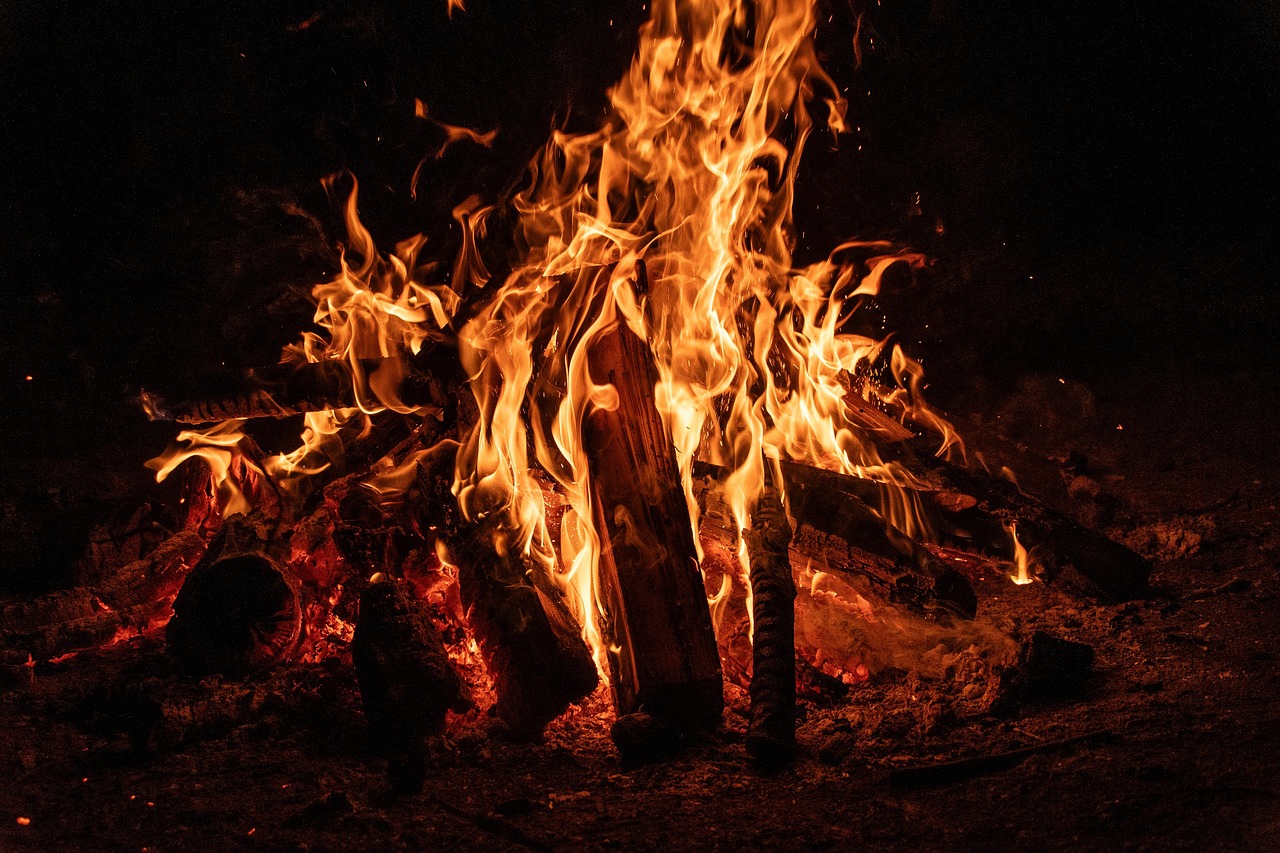
Everyone who cooks outside eventually meets the same enemy: a steady, patient rain that soaks the wood, kills the matches, and turns a pleasant evening into a test of character. I've lost that fight more times than I'd like to admit. But I've also learned that wet weather fires are mostly a preparation problem, not a skill problem, and a little foresight makes all the difference.
The mistake most of us make is waiting until the rain starts to think about the fire. By then the wood is wet, the ground is wet, and your hands are wet, and everything you try is an uphill battle. The people who cook dinner in the rain are the ones who started getting ready before the sky turned gray.
Prepare Before the Clouds Arrive
First, keep your tinder and kindling in a dry place at all times. A ziplock bag or a small stuff sack in your pack costs nothing and saves everything. I keep a bag of dry shavings, a few birthday candles, and a lighter in a waterproof pouch, and I don't touch it unless the weather turns. That bag has rescued more dinners than any fancy fire starter I've ever bought.
Second, think about where you're going to build the fire before you need it. Look for a spot with natural shelter: under a rock overhang, beside a big tree trunk, against a bank. If there's nothing natural, a tarp rigged low and angled into the wind will keep the worst of it off your fire. The key is to keep the rain from falling directly on the flames while still letting smoke escape.
Third, split your wood early and bring the dry pieces inside the shelter with you. Split wood dries faster than whole logs, and wood that's been sitting under a tarp overnight will light far more easily than wood that's been out in the open.
The Fire Itself
When you're ready to light, build smaller than you think you need. A big pile of damp wood is a losing proposition. Start with a handful of dry shavings, add pencil-thin kindling, and feed it gradually. Patience beats ambition here. Once you have a real flame, add slightly larger pieces and let each one catch before adding the next.
If the rain is heavy, build the fire on a raised platform of green logs or flat rocks. This keeps the base dry and lets air get underneath, which is the thing most wet-weather fires are missing. Air is your friend. A fire that's smothered by wet ground and wet wood will never take off, no matter how much tinder you feed it.
And if all else fails, remember that a stove is not a defeat. A hot meal in the rain, however you make it, is a victory. The fire is a pleasure, not a requirement, and there's no shame in boiling water under a tarp while the storm does its worst. You'll get another chance at the fire tomorrow.