Fire Safety for People Who Just Want to Cook Dinner
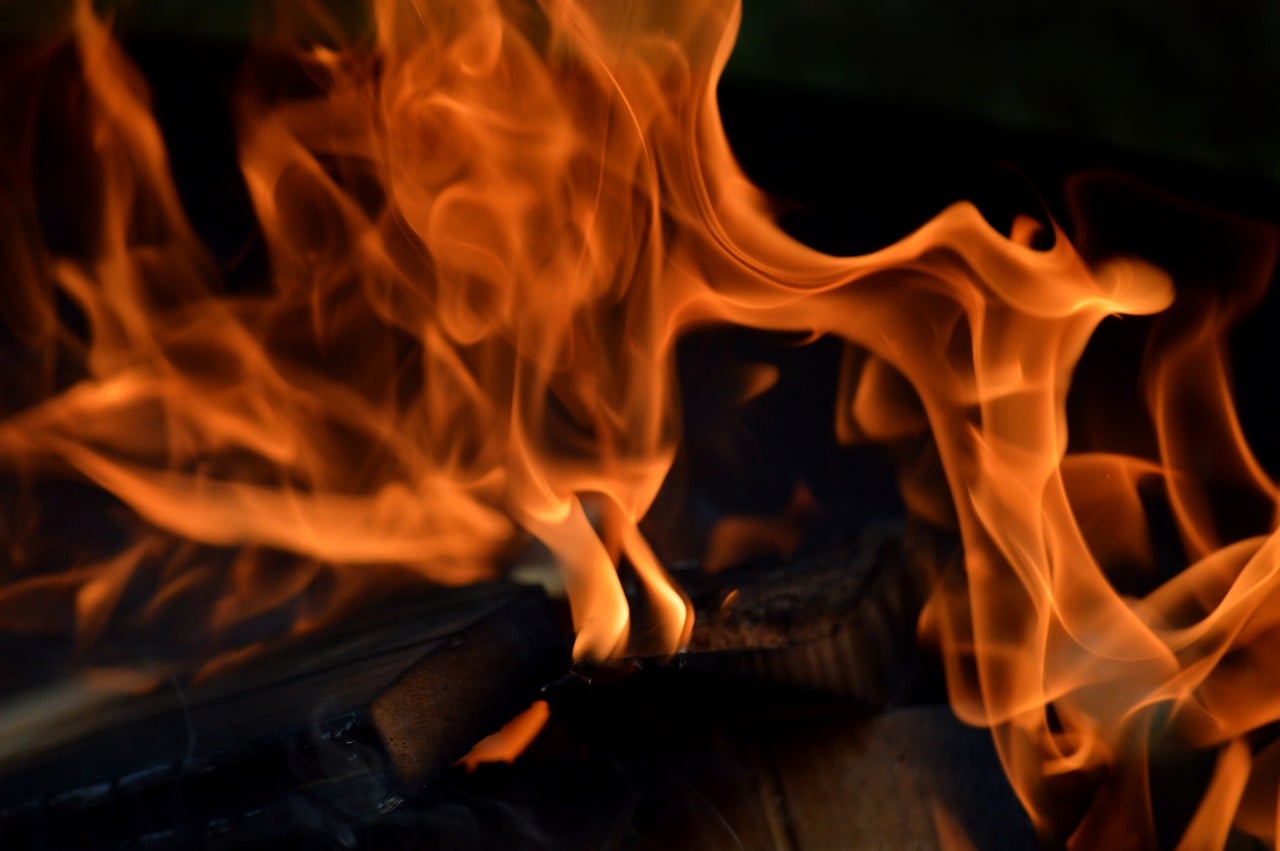
Nobody plans to be the person who starts a wildfire with a camp stove, but every year, someone is. The good news is that fire safety around cooking isn't complicated. It's mostly a handful of habits, repeated until they're automatic, and most of them take less than a minute. If you cook outdoors more than a couple of times a year, they're worth learning properly.
Start with the ground you're building on. Before you light anything, clear a circle at least three feet wide down to bare dirt or rock. No dry grass, no pine needles, no roots running under the fire. If the ground is peat or thick duff, don't build a fire there at all. A fire that gets into the roots can smolder underground for days and surface somewhere you're not looking.
The Habits That Actually Matter
Keep your fire small. A cooking fire doesn't need to be big, and a big fire is a fire you can't control. Feed it small wood, keep the flames low, and never leave it unattended, not even to grab something from the tent. If you need to walk away, put it out first. It takes thirty seconds and saves you a lot of anxiety.
Water and a shovel should be within arm's reach before you strike a match, not somewhere in the car. If you're using a canister stove, check the connection before you light it, and never cook inside a tent, even with the door open. Carbon monoxide doesn't care that you were cold. Cook in the vestibule area if you must be close, but keep the stove outside the fabric.
Watch the wind. A fire that's perfectly safe in still air can throw embers ten feet the moment a gust picks up. If the wind is strong enough to move your fire around, it's strong enough to end the fire for the night. Switch to the stove. There's no shame in it.
Putting It Out for Real
The most common mistake I see is people thinking a fire is out when it's still warm. Ashes can hold heat for hours. Drown the fire with water, stir the ashes with a stick or shovel, drown it again, and then hold your hand near the ashes to check. If you feel warmth, it's not out. Keep going until it's cold to the touch. Then, if you're in a place where it's allowed, scatter the cold ashes.
None of this is difficult, and none of it requires gear you don't already have. It's just attention, paid in small amounts, at the right moments. The reward is that you get to keep cooking outdoors for years without becoming a cautionary tale. That's a pretty good trade.